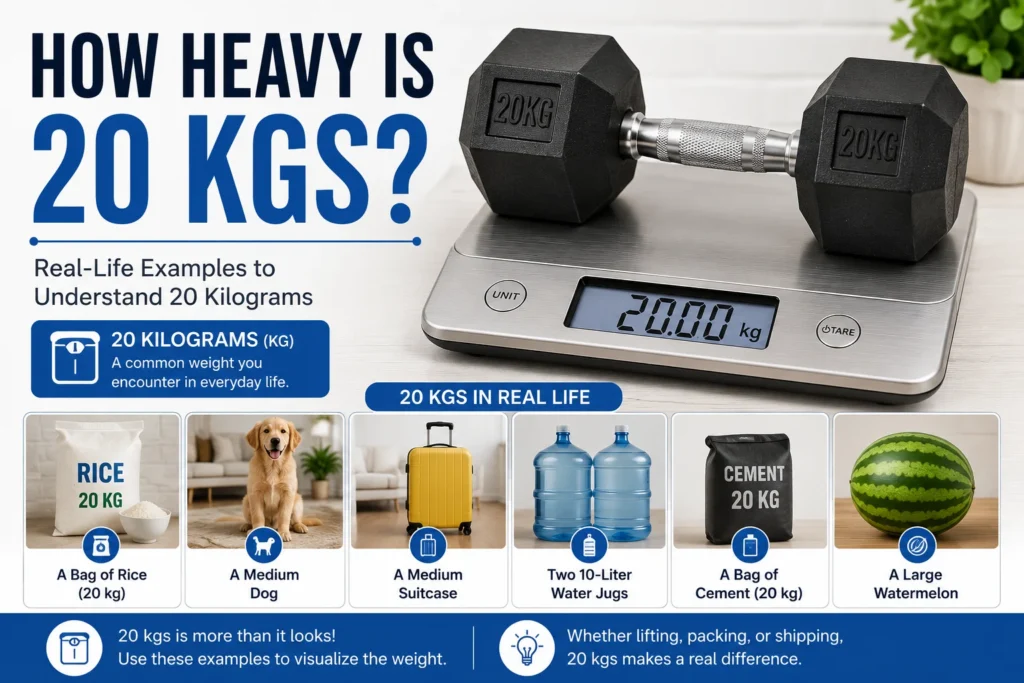
How Heavy Is 20 Kgs? Real-Life Weight Comparisons and Examples (2026)
If someone tells you that an object weighs 20 kilograms (kgs), it can be difficult…
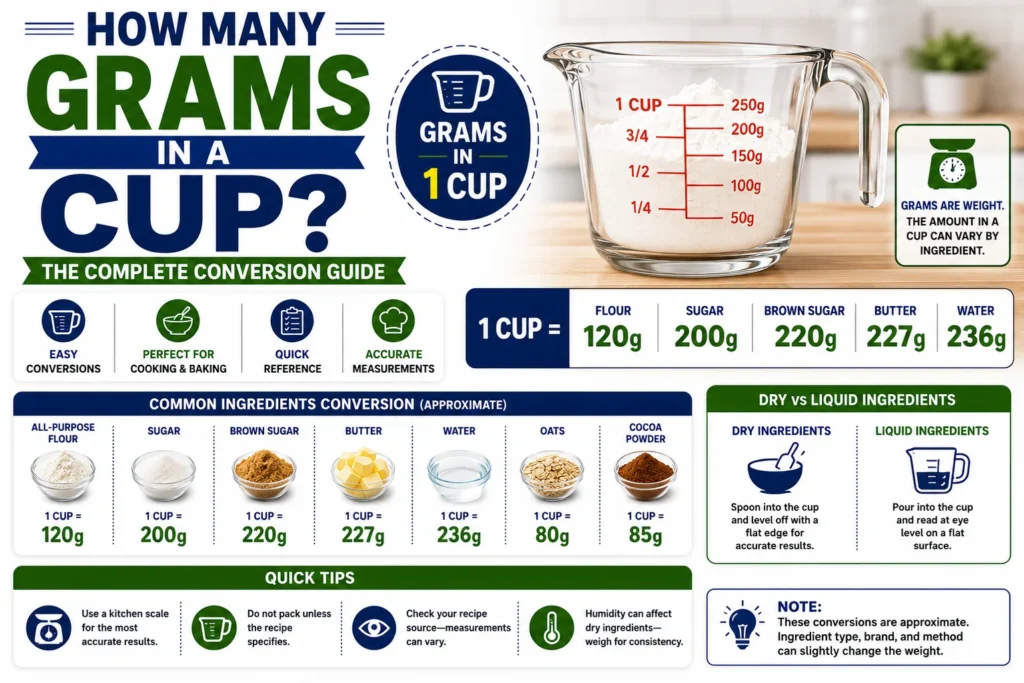
If you’ve ever followed an international recipe, you’ve probably wondered: How many grams are in a cup?
The answer isn’t always straightforward because cups measure volume, while grams measure weight. The number of grams in one cup depends on:
For example:
In this guide, you’ll learn the most common cup-to-gram conversions for baking and cooking, understand the difference between U.S. and metric cups, and find practical conversion charts.
There is no single answer to “How many grams are in a cup?”
Here are some common conversions using a U.S. cup:
| Ingredient | 1 US Cup |
|---|---|
| All-purpose flour | 120 g |
| Bread flour | 125 g |
| Granulated sugar | 200 g |
| Brown sugar (packed) | 220 g |
| Powdered sugar | 120 g |
| Butter | 227 g |
| Rolled oats | 90 g |
| White rice (uncooked) | 185 g |
| Honey | 340 g |
| Milk | 240 g |
| Water | 236 g |
A cup measures volume, while grams measure weight.
Imagine filling two identical cups:
Both fill the same amount of space (one cup), but the sand weighs much more. The same principle applies to flour, sugar, rice, oats, and other ingredients.
Recipes from different countries may use different cup sizes.
| Cup Type | Volume |
| U.S. Cup | 236.6 mL |
| Metric Cup (Australia, New Zealand, etc.) | 250 mL |
A metric cup is slightly larger than a U.S. cup, so ingredient weights increase slightly.
| Ingredient | US Cup | Metric Cup |
| All-purpose flour | 120 g | 125 g |
| Bread flour | 125 g | 130 g |
| Cake flour | 110 g | 115 g |
| Granulated sugar | 200 g | 210 g |
| Brown sugar | 220 g | 230 g |
| Powdered sugar | 120 g | 125 g |
| Butter | 227 g | 250 g |
| Rolled oats | 90 g | 95 g |
| White rice | 185 g | 195 g |
| Honey | 340 g | 355 g |
| Water | 236 g | 250 g |
| Milk | 240 g | 250 g |
These values are approximate and may vary slightly depending on the brand and measuring method.
Flour is one of the most common baking ingredients, but it’s also one of the easiest to measure incorrectly.
| Flour Type | US Cup |
| All-purpose flour | 120 g |
| Bread flour | 125 g |
| Cake flour | 110 g |
| Whole wheat flour | 130 g |
For the most accurate results:
Different types of sugar have different weights.
| Sugar Type | US Cup |
| Granulated sugar | 200 g |
| Brown sugar (packed) | 220 g |
| Powdered sugar | 120 g |
| Caster sugar | 200 g |
Packed brown sugar weighs more because it is compressed.
Butter is often measured in cups and grams.
| Butter | Weight |
| ¼ cup | 57 g |
| ½ cup | 113 g |
| ¾ cup | 170 g |
| 1 cup | 227 g |
Many butter packages also include measurement markings to make cutting easier.
| Ingredient | US Cup |
| White rice | 185 g |
| Brown rice | 195 g |
| Rolled oats | 90 g |
| Quinoa | 170 g |
These weights refer to uncooked grains.
For liquids, the weight is often close to the volume because many liquids have a density similar to water.
| Ingredient | US Cup |
| Water | 236 g |
| Milk | 240 g |
| Vegetable oil | 218 g |
| Honey | 340 g |
| Maple syrup | 315 g |
Professional bakers prefer grams because they are:
Using a digital kitchen scale can improve baking results.
| Measurement | Equivalent |
| 1 U.S. cup | 236.6 mL |
| 1 Metric cup | 250 mL |
| ½ cup | 118 mL (US) |
| ¼ cup | 59 mL (US) |
| 1 tablespoon | 15 mL |
| 1 teaspoon | 5 mL |
It depends on the ingredient.
For example:
Because cups measure volume, while grams measure weight. Different ingredients have different densities.
No.
One U.S. cup of all-purpose flour weighs about 120 grams.
One U.S. cup of granulated sugar weighs about 200 grams.
Grams are more accurate and are recommended for the best baking results.
Yes. A digital kitchen scale provides the most consistent and accurate measurements.
Avoiding these mistakes helps ensure better cooking and baking results.
The answer to “How many grams are in a cup?” depends entirely on the ingredient you’re measuring. While cups measure volume, grams measure weight, so flour, sugar, butter, rice, and liquids all have different gram values.
For the most accurate cooking and baking, especially when using recipes from different countries, it’s best to use a digital kitchen scale and verify whether the recipe uses U.S. cups or metric cups. With the conversion charts in this guide, you’ll be able to measure ingredients confidently and achieve consistent results every time.
If someone tells you that an object weighs 20 kilograms (kgs), it can be difficult…
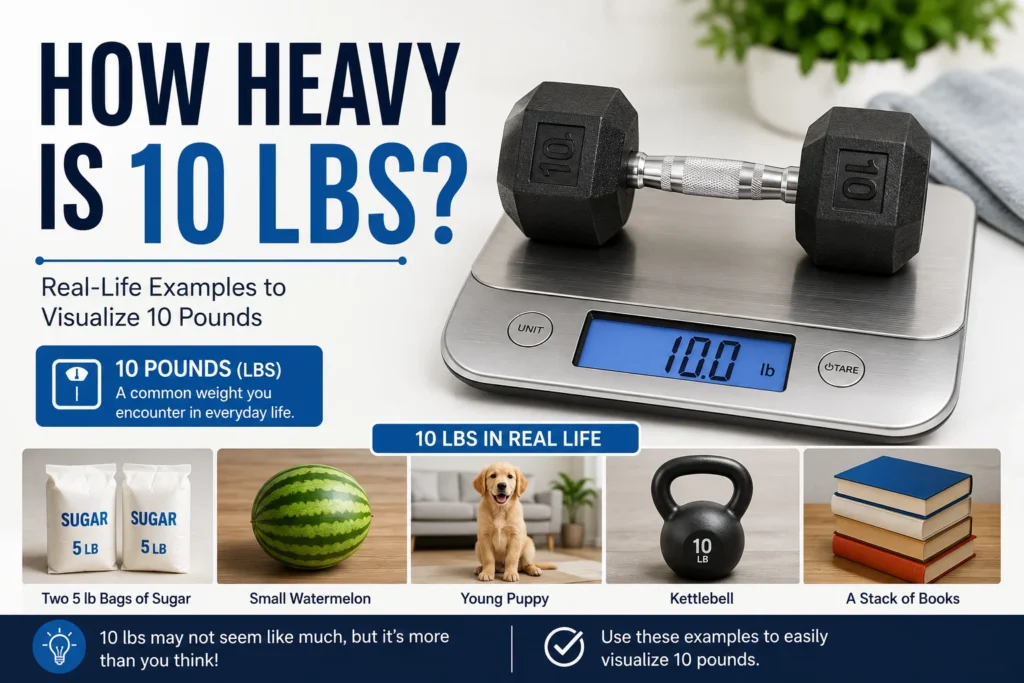
If someone tells you that an object weighs 10 pounds, you might wonder what that…
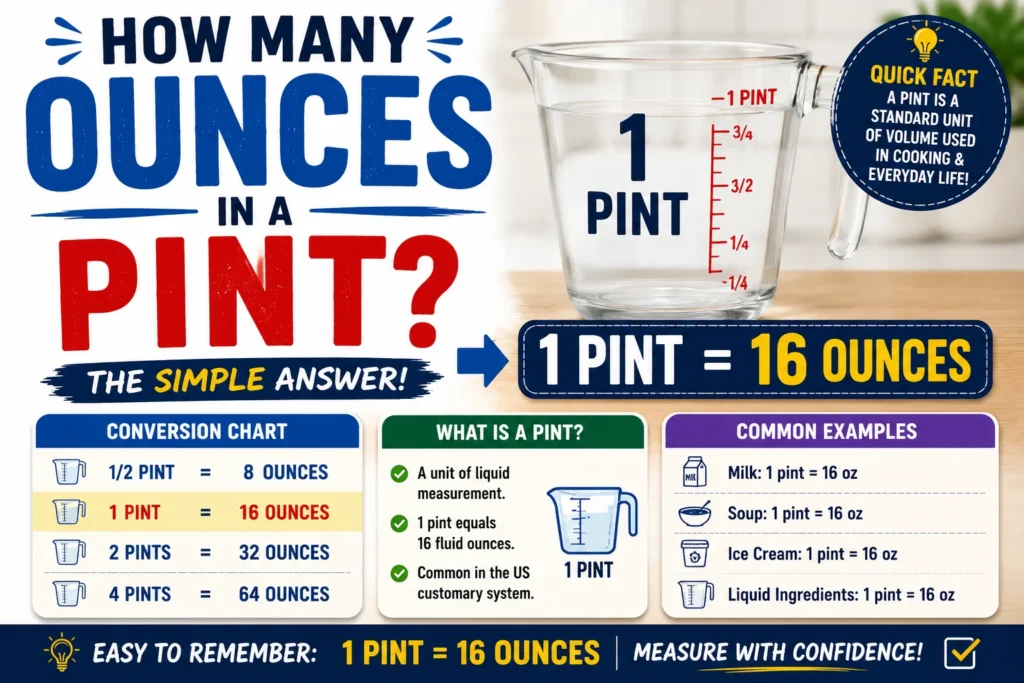
Whether you’re following a recipe, pouring beverages, brewing beer, or converting kitchen measurements, one of…