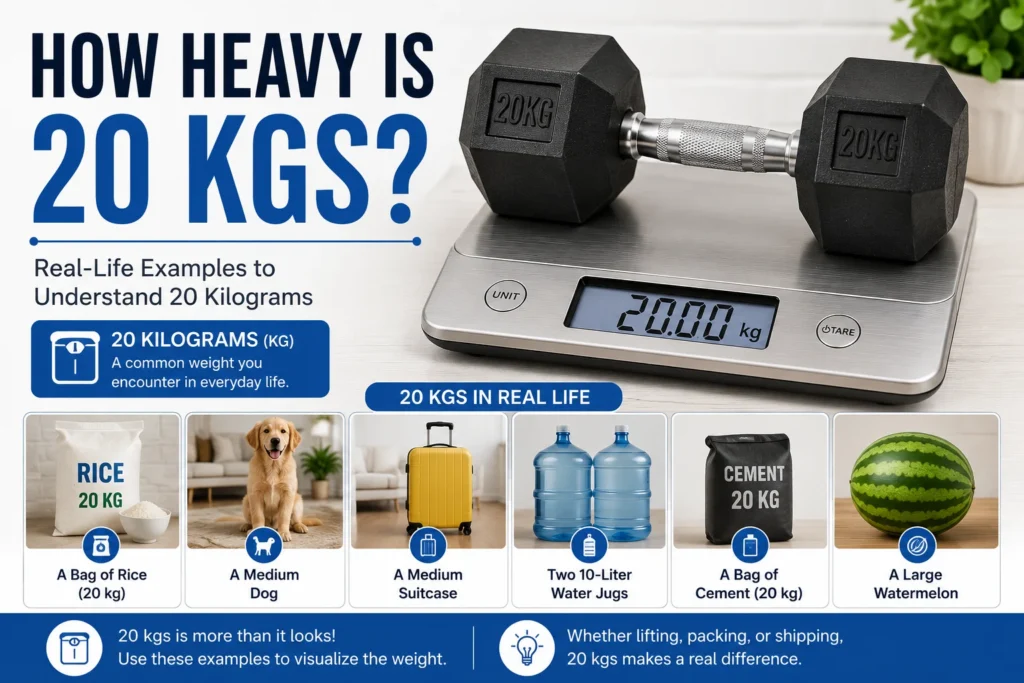
How Heavy Is 20 Kgs? Real-Life Weight Comparisons and Examples (2026)
If someone tells you that an object weighs 20 kilograms (kgs), it can be difficult…

Whether you’re cooking, baking, buying food, or converting measurements, you may wonder: How many grams are in an ounce?
The answer depends on which type of ounce you’re referring to.
There are two common types:
Because grams measure weight, the standard conversion applies to weight ounces. Fluid ounces require additional information because liquids have different densities.
In this guide, you’ll learn the difference between weight and fluid ounces, simple conversion formulas, practical examples, and answers to frequently asked questions.
This is the standard conversion used worldwide for food, ingredients, precious metals (with different standards), and everyday weight measurements.
A fluid ounce measures volume, not weight.
Examples:
Many people confuse these two units.
Here’s the difference:
| Unit | Measures |
|---|---|
| Ounce (oz) | Weight |
| Fluid Ounce (fl oz) | Volume |
Grams measure weight, so they convert directly with weight ounces, not fluid ounces.
The standard conversion is:
For everyday use, it’s usually rounded to:
Many recipes simply round it to:
To convert ounces into grams:
Grams = Ounces × 28.35
Examples:
To convert grams into ounces:
Ounces = Grams ÷ 28.35
Examples:
| Ounces | Grams |
| 1 | 28.35 g |
| 2 | 56.70 g |
| 3 | 85.05 g |
| 4 | 113.40 g |
| 5 | 141.75 g |
| 8 | 226.80 g |
| 10 | 283.50 g |
| 12 | 340.20 g |
| 16 | 453.60 g |
| Grams | Ounces |
| 10 | 0.35 oz |
| 25 | 0.88 oz |
| 50 | 1.76 oz |
| 100 | 3.53 oz |
| 250 | 8.82 oz |
| 500 | 17.64 oz |
| 1,000 | 35.27 oz |
A fluid ounce measures volume, not weight.
Because different liquids have different densities, one fluid ounce does not always equal the same number of grams.
Water is the easiest example.
| Liquid | 1 US Fluid Ounce |
| Water | 29.57 g |
| Milk | About 30.5 g |
| Vegetable oil | About 27 g |
| Honey | About 42 g |
The weight changes because each liquid has a different density.
Imagine two identical glasses:
Each contains one fluid ounce of liquid, but the honey weighs much more.
That’s why converting fluid ounces into grams always depends on the substance being measured.
Weight ounces are commonly used for:
Fluid ounces are commonly used for:
| Measurement | Equivalent |
| 1 ounce | 28.35 grams |
| 16 ounces | 1 pound |
| 1 kilogram | 35.27 ounces |
| 1 pound | 453.6 grams |
One weight ounce equals 28.35 grams.
Approximately.
The exact conversion is 28.35 grams.
Eight ounces equal:
226.8 grams
Sixteen ounces equal:
453.6 grams
Not necessarily.
It depends on the liquid’s density.
Water is close, but oils, milk, and honey all have different weights.
Grams provide more precise measurements and are used in most countries.
Yes.
Professional bakers prefer grams because weight measurements are more accurate and consistent.
Understanding the difference helps ensure accurate cooking and baking.
The answer to “How many grams are in an ounce?” is simple for weight:
1 ounce = 28.35 grams.
However, if you’re referring to a fluid ounce, the conversion depends on the liquid because fluid ounces measure volume rather than weight. Water, milk, oil, and honey all weigh differently even when they occupy the same volume.
When accuracy matters especially in baking or food preparation use a digital kitchen scale and pay attention to whether a recipe calls for ounces (oz) or fluid ounces (fl oz).
If someone tells you that an object weighs 20 kilograms (kgs), it can be difficult…

If someone tells you that an object weighs 10 pounds, you might wonder what that…
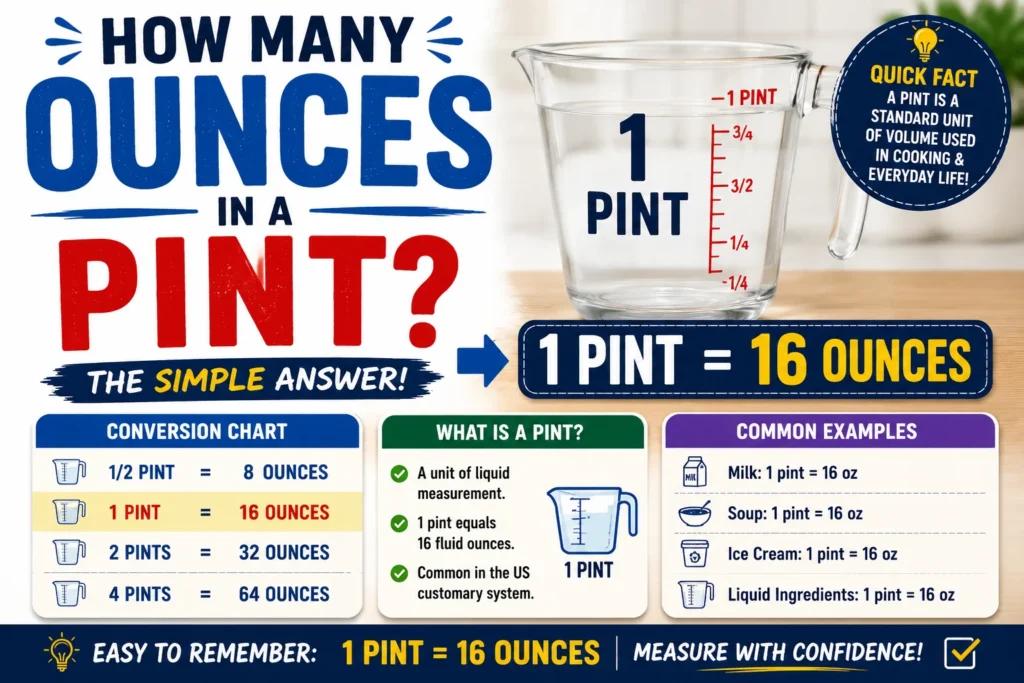
Whether you’re following a recipe, pouring beverages, brewing beer, or converting kitchen measurements, one of…