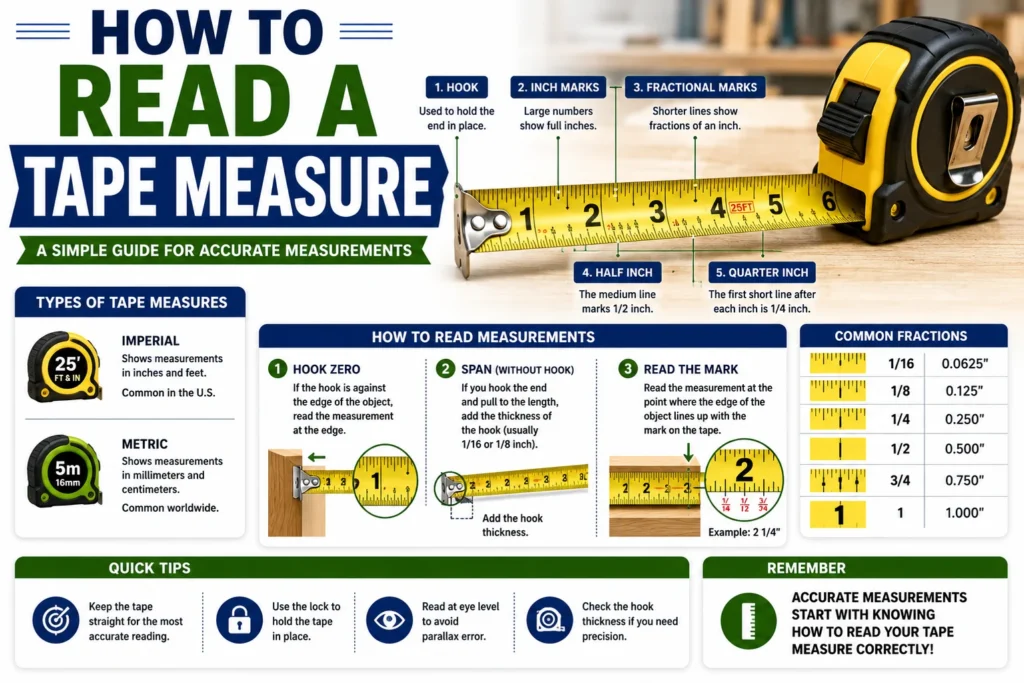
How to Read a Tape Measure: A Complete Beginner’s Guide
If you’ve ever looked at a tape measure and wondered what all those tiny lines…
The barleycorn measurement is one of the most interesting traditional units of length still remembered today. While it sounds old-fashioned, this small unit continues to influence something many people use every day: shoe sizing.
If you’ve ever wondered what a barleycorn is, how long it measures, or why it matters in footwear, this guide explains everything in simple terms.
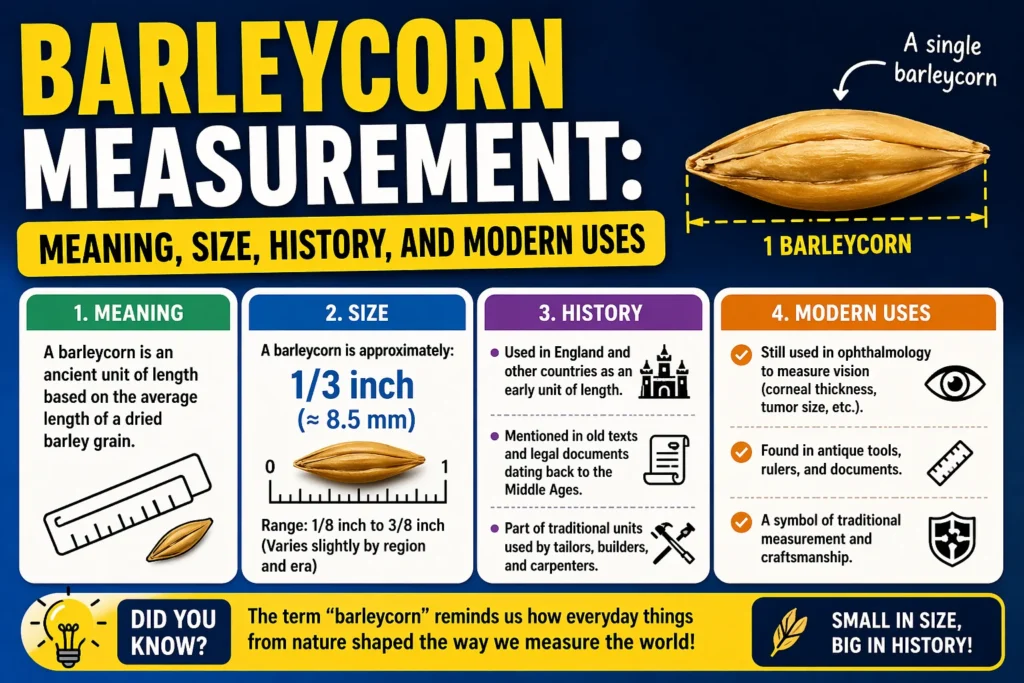
A barleycorn is a small historical unit of length based on the average size of a grain of barley.
Traditionally, one barleycorn equals one-third of an inch.
That means three barleycorns placed end to end equal one inch.
1 barleycorn=31 inch
This unit was used in England for centuries and became part of several measuring traditions.
Although based on a grain, the measurement later became standardized.
1 barleycorn = 0.333 inches (approximately)
Since 1 inch = 25.4 mm:
1 barleycorn = 8.47 mm
25.4÷3=8.47
1 barleycorn = 0.847 cm
| Unit | 1 Barleycorn Equals |
|---|---|
| Inches | 1/3 inch |
| Decimal Inches | 0.333 in |
| Millimeters | 8.47 mm |
| Centimeters | 0.847 cm |
The barleycorn has roots in medieval England, where natural objects were often used as measuring references.
Examples of early reference units included:
The barley grain was useful because it was common and relatively uniform in size.
Over time, English law helped standardize many units. One well-known traditional relation stated:
This helped create a connected measurement system long before digital tools or precision manufacturing.
Barley was chosen because it was:
While actual grains vary, later systems used the barleycorn as a fixed standard rather than a literal grain.
The biggest modern use of the barleycorn measurement is footwear sizing.
In many UK and US sizing systems:
That means each full size increases by about:
8.47 mm
This is why shoe sizes progress in small, regular steps.
Traditional UK sizing often begins from a very small base length, then increases by barleycorn units.
Each step = one barleycorn.
US systems developed from related methods with different starting points, but still use similar size increments.
That’s why UK and US shoe numbers are not identical, even though the step size is close.
| Size Change | Length Increase |
|---|---|
| Half size up | 4.23 mm |
| Full size up | 8.47 mm |
| Two full sizes up | 16.94 mm |
28.47=4.235
This helps explain why a half-size difference can feel significant in shoe fit.
A single barleycorn is small, so comparisons help.
| Barleycorns | Inches | Millimeters |
|---|---|---|
| 1 | 0.333 in | 8.47 mm |
| 2 | 0.667 in | 16.93 mm |
| 3 | 1 in | 25.4 mm |
| 6 | 2 in | 50.8 mm |
| 12 | 4 in | 101.6 mm |
Even though most people never use the term directly, it remains important because:
Many people wear shoes sized using a system based on barleycorns without realizing it.
Not exactly. Today it refers to a standardized unit, not a random grain.
No. It is mainly historical, with shoe sizing as the main modern link.
A full shoe size is only one barleycorn (8.47 mm), which is relatively small.
Close, but not exact. It is 0.847 cm.
3 barleycorns = 1 inch
That one fact explains most conversions.
If shoe sizes confuse you, remember each full step is about 8.47 mm.
1 barleycorn ≈ 8.5 mm
That makes mental math easier.
Many modern systems began with simple practical references like seeds, hands, and feet.
| Unit | Approximate Length |
|---|---|
| Barleycorn | 8.47 mm |
| Centimeter | 10 mm |
| Half inch | 12.7 mm |
| Quarter inch | 6.35 mm |
This shows the barleycorn sits between a quarter inch and half inch.
You may encounter barleycorn measurement when:
A barleycorn is a traditional unit of length equal to one-third of an inch.
1 barleycorn = 8.47 mm
Yes, mainly in shoe sizing systems.
Three barleycorns = one inch
The unit originally referenced the length of a barley grain before later standardization.
The barleycorn measurement may be ancient, but it still influences modern life. Equal to one-third of an inch or 8.47 mm, it survives mainly through shoe sizing systems used around the world.
Understanding barleycorns gives you insight into how traditional measurement systems shaped today’s standards.
Next time you try on shoes, remember that every size step may trace back to a tiny old unit called the barleycorn.
2 Inches Explained: Size, Conversion, and Real-Life Comparisons
100 Grams Explained: Weight, Conversion, and Real-Life Examples
125 Inches Measurement: Size, Conversion & Real-Life Examples
If you’ve ever looked at a tape measure and wondered what all those tiny lines…
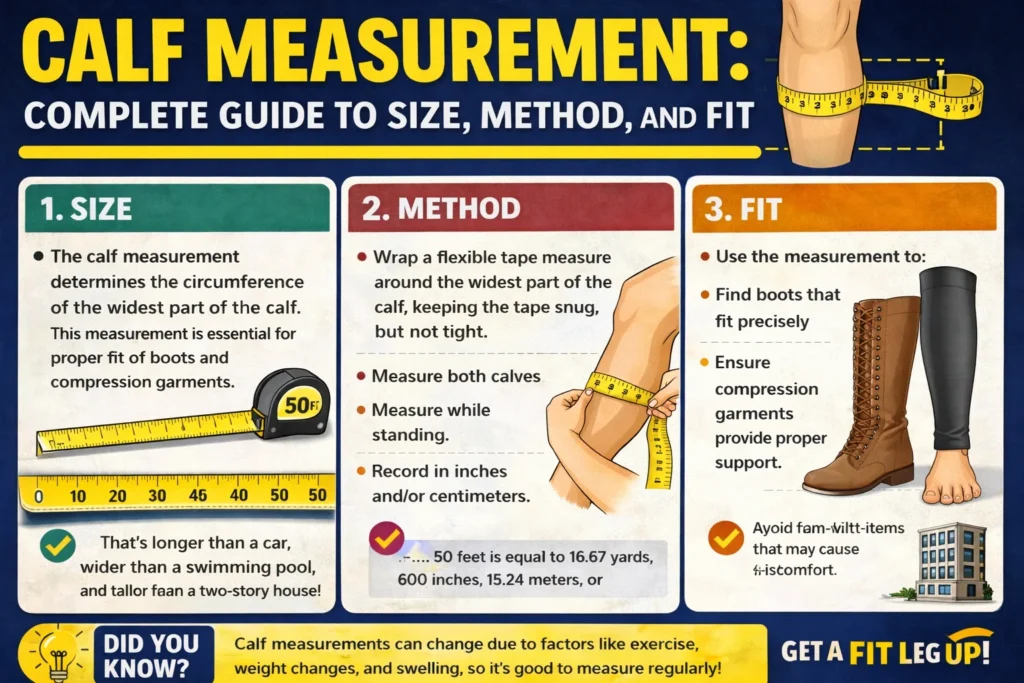
Two minutes with a soft tape now can save you a returned pair of boots…
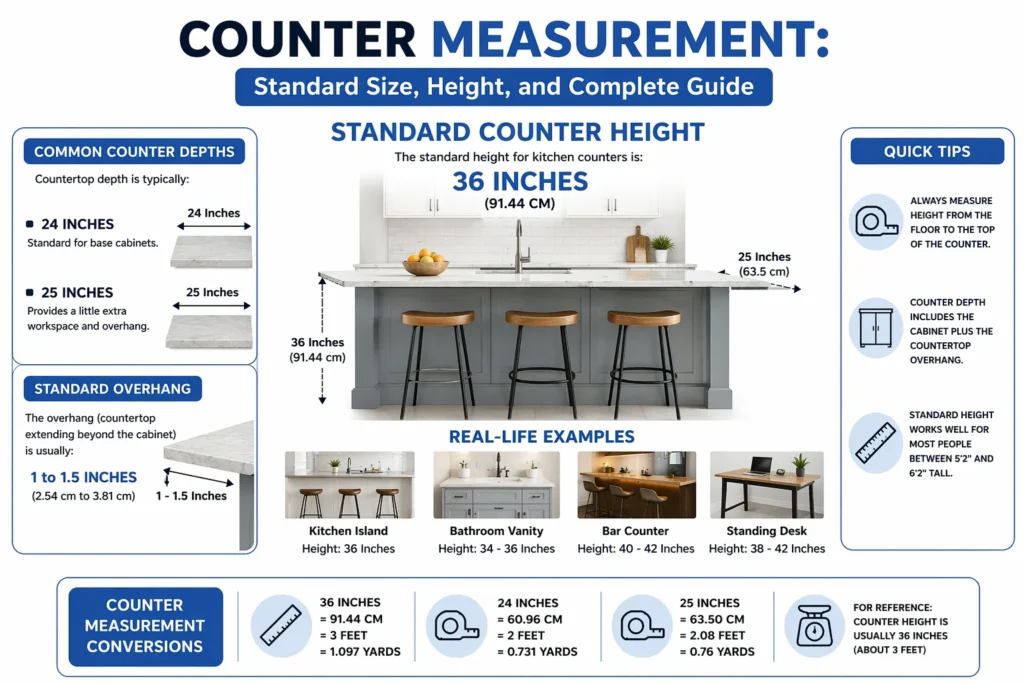
Understanding counter measurement is essential when designing or renovating a kitchen, bathroom, or workspace. Counters…