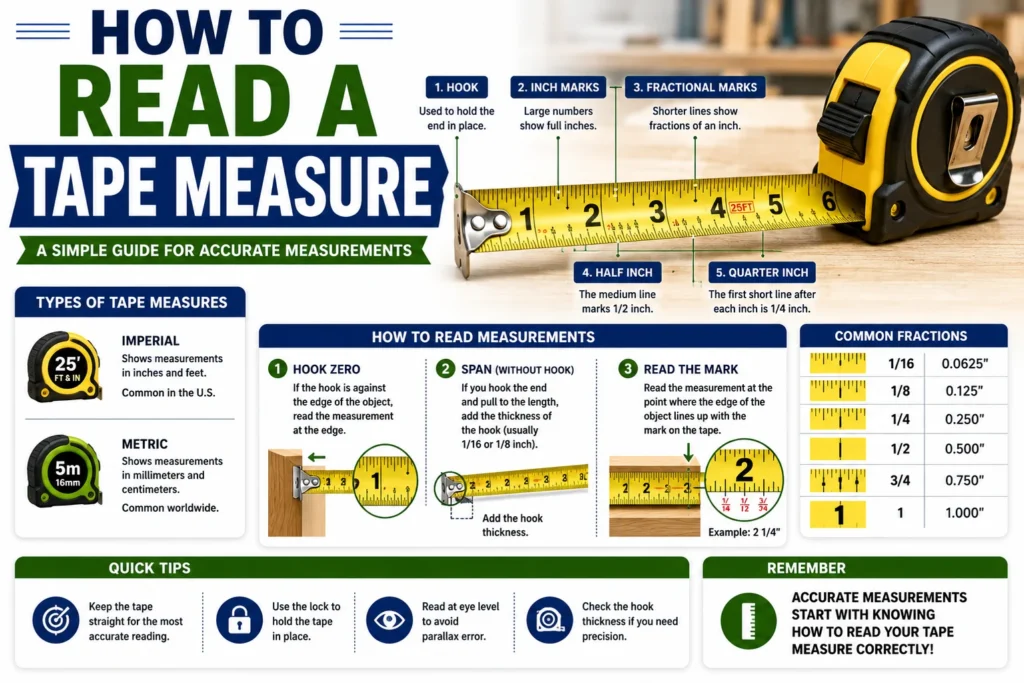
How to Read a Tape Measure: A Complete Beginner’s Guide
If you’ve ever looked at a tape measure and wondered what all those tiny lines…
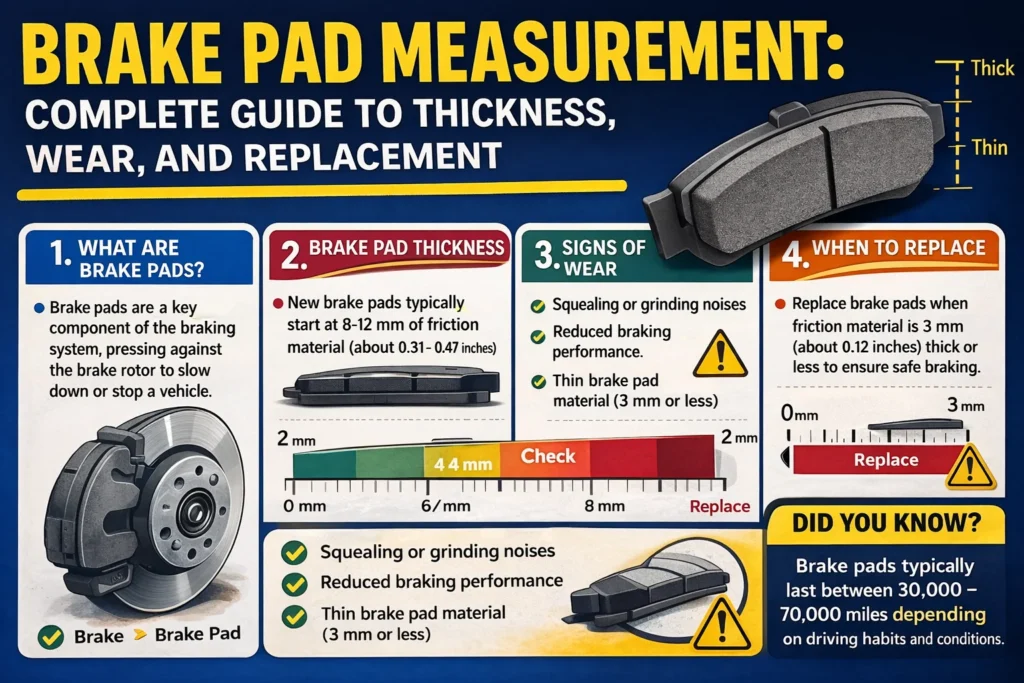
Understanding brake pad measurement is one of the smartest ways to maintain your vehicle. Brake pads are wear items, meaning they gradually become thinner every time you stop. If ignored too long, worn pads can reduce stopping power, damage rotors, and increase repair costs.
This guide explains how brake pad thickness is measured, what numbers matter, how to inspect pads, and when replacement is usually recommended.
Brake pad measurement usually refers to the thickness of the friction material remaining on the brake pad.
When you press the brake pedal:
So checking pad thickness helps estimate remaining service life.
Most technicians measure in:
Thin brake pads can lead to:
Regular brake pad measurement helps catch wear before it becomes expensive or unsafe.
Exact specifications vary by vehicle, manufacturer, and pad design. However, these ranges are common for many passenger cars.
Many new pads start around:
Pads often perform well in:
Pads are commonly monitored closely at:
Replacement is often recommended around:
Some shops advise replacement earlier depending on driving style, towing, terrain, or weather.
| Pad Thickness | Typical Condition | Suggested Action |
|---|---|---|
| 10–12 mm | New / near new | No action needed |
| 7–9 mm | Good | Routine monitoring |
| 5–6 mm | Mid-life | Recheck next service |
| 3–4 mm | Low | Plan replacement soon |
| 0–2 mm | Worn out | Replace immediately |
Some wheels allow you to see the outer pad without removing the wheel.
Look for:
This gives a rough estimate but may not show the inner pad clearly.
A brake pad gauge is a simple tool used by many technicians.
Steps:
This is one of the easiest accurate methods.
Best method for full inspection.
Steps:
This also allows checking rotors, boots, and slide pins.
Brake wear is not always equal.
Front brakes often wear faster because many vehicles transfer more weight forward during braking.
Rear pads may last longer, but not always. Electronic brake distribution and driving habits can change wear patterns.
If one pad is much thinner than another, possible causes include:
| Vehicle Type | Typical New Pad Range |
|---|---|
| Compact car | 10–12 mm |
| Sedan | 10–12 mm |
| SUV | 11–14 mm |
| Pickup truck | 12–16 mm |
| Performance car | Varies by system |
Always verify with manufacturer specifications.
Even without measuring, watch for symptoms.
If grinding starts, service is urgent.
General guideline:
Driving conditions matter.
Frequent stop-and-go traffic, hills, towing, or aggressive braking can shorten pad life.
| Driving Style | Approximate Wear Speed |
|---|---|
| Mostly highway | Slower |
| Mixed city/highway | Moderate |
| Heavy city traffic | Faster |
| Mountain driving | Faster |
| Towing/heavy loads | Faster |
Inner pads may wear faster and be hidden.
Some pads wear quietly. Noise is not always the first sign.
New pads on damaged rotors can reduce performance.
Pads should typically be replaced in axle pairs.
Use a gauge or professional inspection whenever possible.
DIY inspection can be useful if you have tools and experience. Professional service is often best when:
Brakes are a critical safety system.
For users using imperial units:
| mm | Inches |
|---|---|
| 12 mm | 0.47 in |
| 6 mm | 0.24 in |
| 3 mm | 0.12 in |
12×0.03937≈0.47
Many technicians recommend replacement around 3 mm or less, though specs vary by vehicle.
Commonly 10 mm to 12 mm, but some vehicles differ.
Sometimes yes, depending on wheel design, but full inspection is more accurate.
Often yes, but not always.
Many owners begin planning replacement around 4 mm, especially before trips or winter driving.
Understanding brake pad measurement helps you stay safer, reduce repair costs, and avoid rotor damage. In many vehicles, new pads start around 10–12 mm, and replacement is commonly considered near 3 mm.
If you’re unsure of your current brake pad thickness, schedule an inspection or measure them during your next tire service. A quick check today can prevent a much bigger repair tomorrow.
100 Grams Explained: Weight, Conversion, and Real-Life Examples
Barleycorn Measurement: Meaning, Size, History, and Modern Uses
125 Inches Measurement: Size, Conversion & Real-Life Examples
If you’ve ever looked at a tape measure and wondered what all those tiny lines…
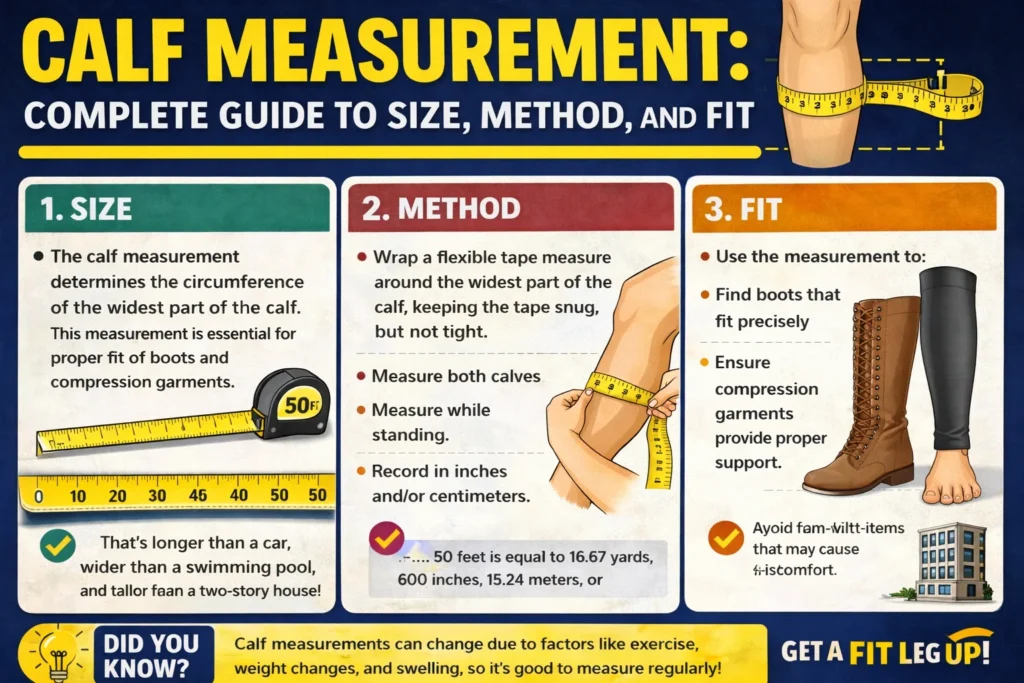
Two minutes with a soft tape now can save you a returned pair of boots…
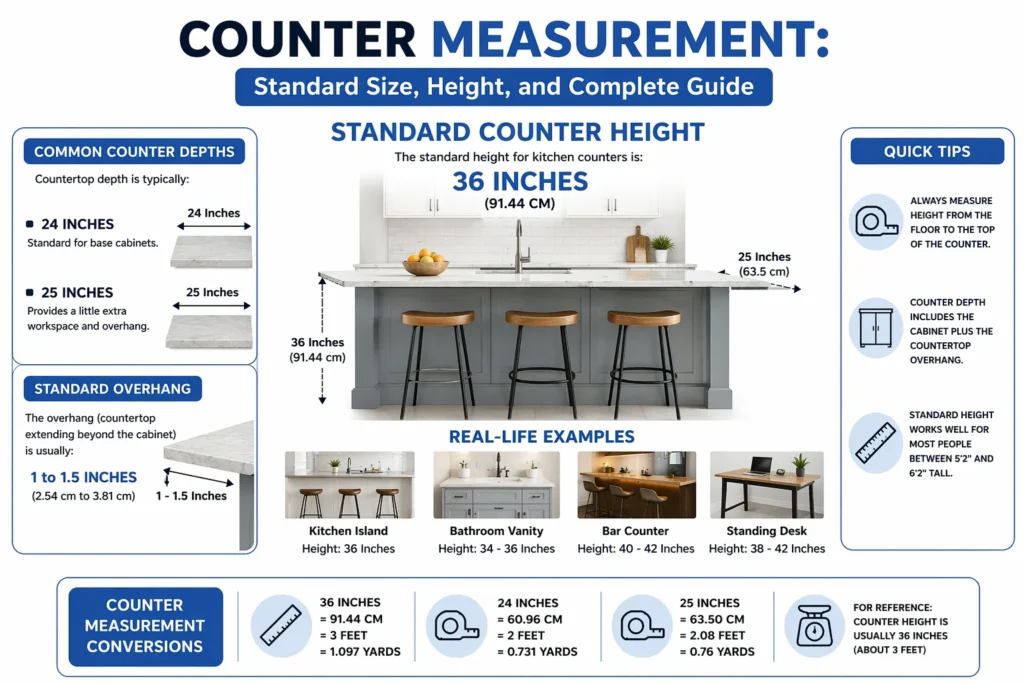
Understanding counter measurement is essential when designing or renovating a kitchen, bathroom, or workspace. Counters…