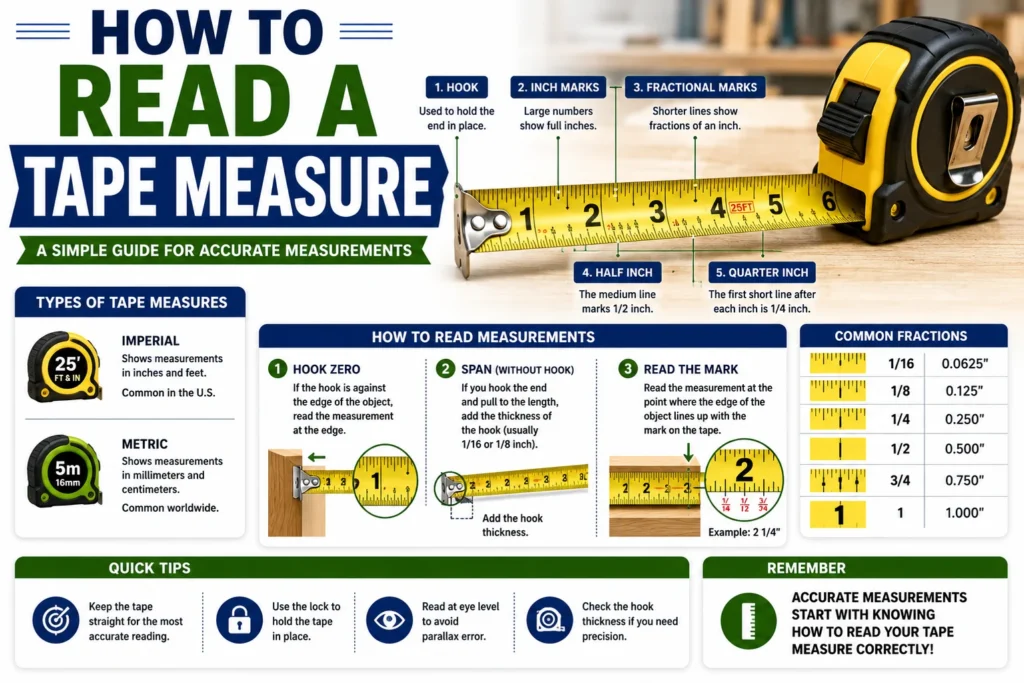
How to Read a Tape Measure: A Complete Beginner’s Guide
If you’ve ever looked at a tape measure and wondered what all those tiny lines…
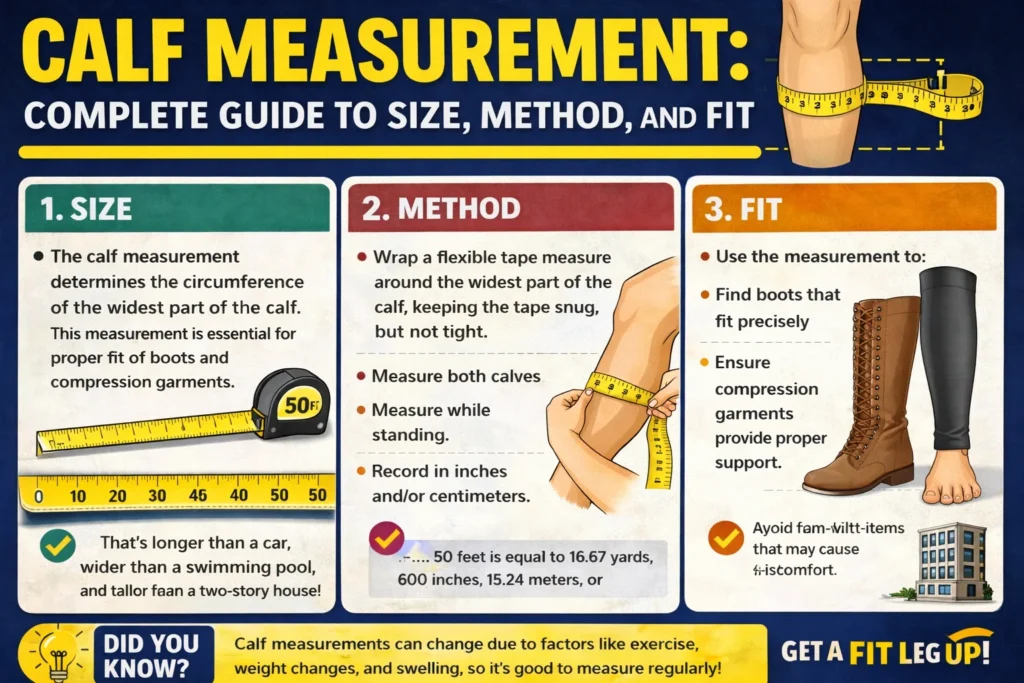
Two minutes with a soft tape now can save you a returned pair of boots later. Tall boots, compression socks and leg braces all fit — or fail — on one number: your calf circumference. The good news is that measuring it is genuinely simple. The less good news is that most people do it slightly wrong, and “slightly wrong” is exactly the difference between boots that glide on and boots that stop at the ankle. Here’s the method fitters use, step by step.
Quick Answer: Sit with your knee at 90° (or stand with weight spread evenly), find the widest point of your calf, and wrap a soft tape around it — snug, level, not tight. Measure both legs and use the larger number for boots, socks and braces.
Very little: a soft tailor’s tape is best, but a piece of string plus a ruler works, as the FAQ below explains. Measure on bare skin or over the thinnest socks you own, and decide in advance whether you’re measuring for something worn in the morning or at the end of the day — calves change size between the two, and the notes after the steps explain why that choice matters. Have your phone or a notebook ready: you’ll take two numbers, one per leg, and you’ll want both written down.
Sit on a chair with your knee bent at about 90 degrees and your foot flat on the floor. This relaxes the muscle into its natural shape. Standing is fine too, as long as your weight is spread evenly on both feet — leaning on one leg changes the shape of the other.
Run your hand down the back of your calf. The widest point is usually a few inches below the knee crease, where the muscle belly is fullest. Don’t guess from the front — look in a mirror or feel for it. Every tape position after this step depends on getting this one right.
Wrap a soft tailor’s tape around that widest point. It should lie flat against bare skin (or thin socks), touch all the way around, and stay level — not angled up at the back. Snug means the tape doesn’t slide when you let go; tight means it’s making a dent. You want the first one.
Read the number where the tape meets. Then measure the other leg the same way. Almost everyone has one calf slightly larger than the other, and for anything fitted — tall boots especially — you shop for the larger leg. If you’re new to tape markings in general, our beginner’s guide on how to read a tape measure decodes every little line.
Boot makers group calf sizes into bands. These are approximate — brands differ by half an inch or more — but they tell you which shelf to start on:
| Calf band (approx.) | Inches | Centimeters | Usually sold as |
|---|---|---|---|
| Slim | Under 14 in | Under 35.6 cm | Slim / narrow calf |
| Regular | About 14–15.5 in | About 35.6–39.4 cm | Standard fit |
| Wide | About 15.5–17 in | About 39.4–43.2 cm | Wide calf |
| Extra wide | Over 17 in | Over 43.2 cm | Extra wide / plus calf |
Between bands? Size up. A boot shaft that’s half an inch generous can be worn happily all day; one that’s half an inch small will fight you every morning.
Tall boots are the obvious case: the shaft is a tube with almost no give, so your calf measurement is the fit. Compression socks are sized by calf circumference too, and there the number is medical, not cosmetic — too loose does nothing, too tight is worse than nothing. Braces and supports use it to keep the brace from sliding down mid-activity. In all three cases the widest-point rule is the same, which is why this single measurement is worth doing carefully once and writing down.
The same careful-tape habit pays off elsewhere on the body and around the house — it is, for instance, exactly how you’d approach the thickness checks in our brake pad measurement guide or the surface checks in counter measurement: right tool, right spot, no guessing. More measuring walkthroughs live in our How-To Guides, and the converter on the MeasurScale homepage flips your result between inches and centimeters instantly.
Either works if you’re consistent. Sitting with the knee at 90° is the most repeatable position and the one most size charts assume. If you stand, keep your weight even on both feet and the muscle relaxed.
Measure both and use the larger. Most people have a dominant leg that’s slightly bigger, and boots have to fit that one.
Choose the larger band, especially for tall boots you’ll wear over leggings or skinny jeans. A little room in the shaft is comfortable; a little too little is unwearable.
Wrap a piece of string or a phone charging cable around the widest point, mark where it meets, then lay it flat against a ruler. It’s less elegant than a tailor’s tape but gives a perfectly usable number.
If you’ve ever looked at a tape measure and wondered what all those tiny lines…
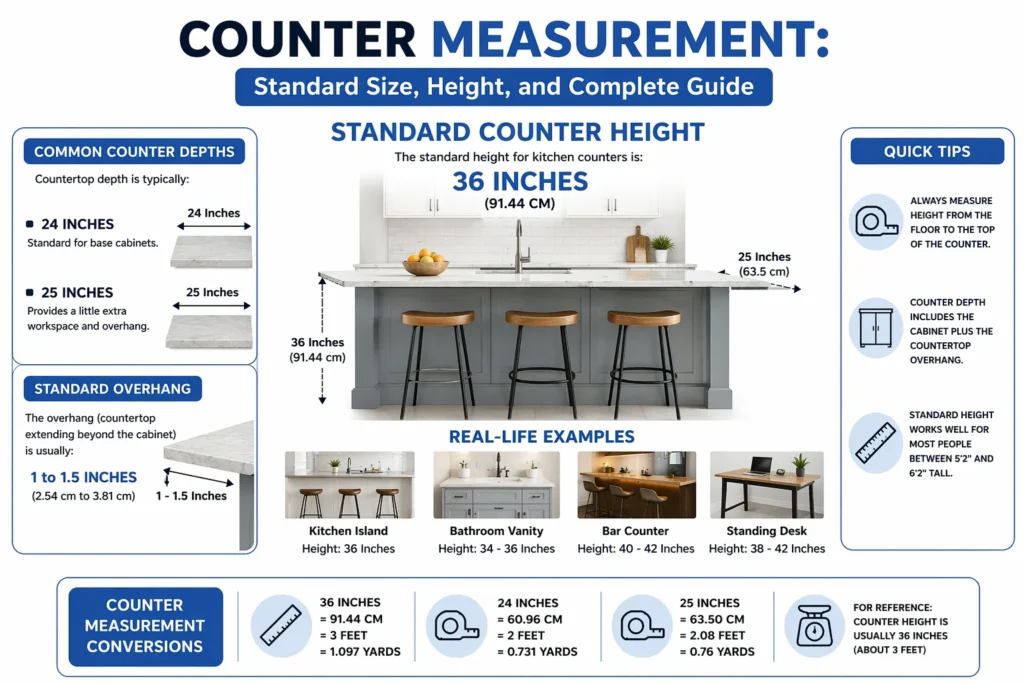
Understanding counter measurement is essential when designing or renovating a kitchen, bathroom, or workspace. Counters…
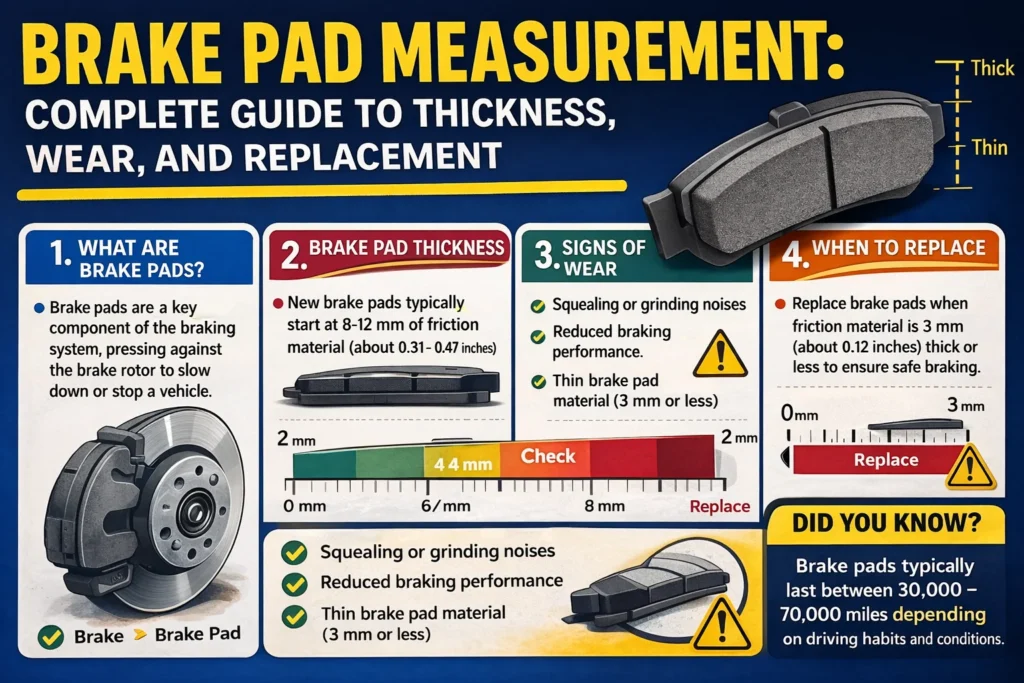
Understanding brake pad measurement is one of the smartest ways to maintain your vehicle. Brake…